
We for You | Daily Reflection | *by Maryam* ❤️
Salam Alaikum dear Brothers and Sisters,
I hope you are all well. A warm welcome to our new member.
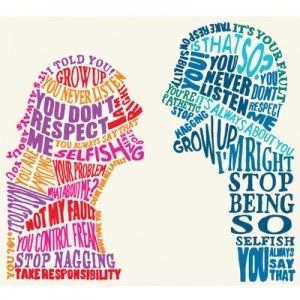
Conflicts in relationships often arise unexpectedly. A word is said, something is misunderstood, emotions are triggered, and before we realise it, we find ourselves in a confrontation.
In Islam, conflict itself is not a negative thing. It is a natural way of expressing differences, emotions, and personal boundaries. The real challenge is not disagreement, but how we manage and conclude conflict in a conscious, respectful, and righteous way. When emotions intensify, our ability to think clearly weaken, and mercy and wisdom may be forgotten.
Islam teaches us that true strength lies not in winning arguments, but in self-control and choosing peace. The Prophet pbuh taught that the strongest person is the one who controls themselves when angry. Humility, patience, and self-restraint are acts of faith - not weakness. For this reason, *each of us carries responsibility for learning how to calm ourselves and respond thoughtfully rather than react impulsively.*❗️
Anger itself is not harmful. It is an emotional signal that something feels unjust, unhealthy, or misaligned. When acknowledged and expressed with wisdom, anger can help a person protect their dignity and clarify boundaries. Difficulties arise when anger is ignored or suppressed rather than addressed constructively.
Islam does not ask us to silence ourselves at the cost of our wellbeing. It calls us to balance truth with wisdom. Silence can be virtuous when chosen consciously for peace, but it should not come from fear or self-erasure. ❗️Saying “no,” setting limits, and expressing needs respectfully are acts of responsibility toward the self Allah SWT entrusted to us.
Emotional and spiritual growth requires honesty with ourselves, patience with others, and the courage to address issues calmly and respectfully. When communication is guided by clarity and compassion, inner stability strengthens and relationships have the opportunity to heal.
May Allah SWT grant us wisdom to speak when speech is needed, patience when silence is better, and courage to protect the dignity of our hearts.
May our relationships be grounded in mercy, balance, and truth. Ameen🤲🏻
I want to repeat one simple practice for couples that I’ve shared many times, because repetition helps it truly take root and become part of your daily life when you practice it.
Marriage in Islam is built on sakinah, mawaddah, and rahmah. Conflicts will happen, but what protects a marriage is how spouses listen to one another.
Listening to your spouse with presence and sincerity is an act of ibadah when done to please Allah SWT .
The Practice
1. Set intention (niyyah):
“I am listening for the sake of Allah SWT, not to win.”
2. One speaks, one listens:
The speaker shares feelings using “I feel…”.
No blaming, accusing or attacking.‼️
3. Listen with sabr:
No interrupting. No defending. No correcting.
4. Reflect back:
The listener says:
“What I hear is…”
Then asks: “Did I hear you correctly?”
5. Switch roles.
*This is not about who is right. It is about creating safety and mercy in the home.*‼️
This practice requires emotional maturity and self-regulation. ‼️If it feels impossible right now, that means the person is not ready yet, not that they are wrong or bad. In that case, the practice should be paused, emotional calming skills should be learned first, and the practice can be returned to later when listening becomes possible.
Wishing everyone peace.❤️
💚 Kindly share with credit | © We for You