Salam Alaikum, dear brothers and sisters. I hope you are all doing well today.
Welcome to our new members!
TODAY about: NAME-CALLING IN MARRIAGE.
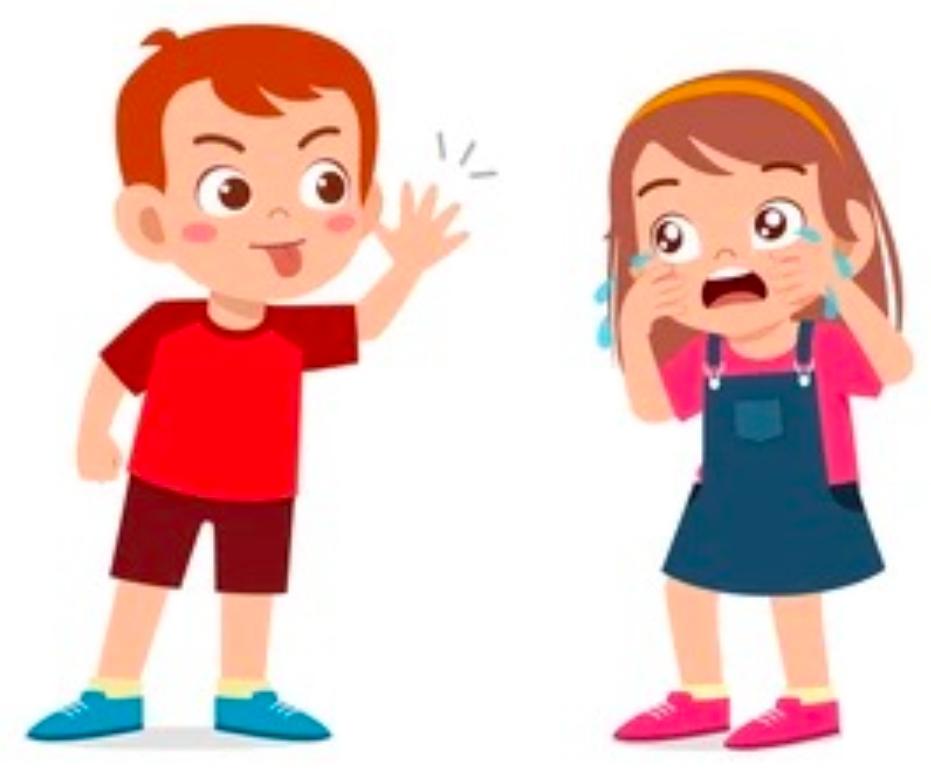
I hear from the women and couples I consult that name-calling hurts the most and touches them deeply.
Words like retarded, stupid, toxic, idiot, useless, failure, crazy, pathetic, dumb, worthless, lazy, and selfish are often used in anger, but they are not pearls from a person’s mouth.
Imagine if every word we spoke was written down—would we be proud of what we say to our loved ones?
And remember, every word we speak is RECORDED —not just in this life, but in our Book of Deeds, our subconscious, and our spouse’s subconscious.
Hurtful words don’t just disappear after an argument; they stay in the mind and heart, shaping how we see ourselves and our relationships.
Name-calling is childish behavior, whether you say it out loud or just in your mind—the effect is the same.
It damages relationships, creates emotional distance, and prevents real problem-solving.
Unfortunately, many couples, including my husband and me, have struggled with this. I personally saw name-calling in my own family growing up, and it became a learned pattern that I had to unlearn.
The good news is that name-calling IS A BAD HABIT and it can be changed. Since it is a learned behavior, we all have the ability to unlearn it by being mindful and developing emotional and communication skills.
So, I am calling on everyone to grow up and act as the mature adults that we are.‼️
Name-calling destroys trust and respect, creates emotional distance and resentment, and escalates conflicts instead of resolving them. If left unchecked, it can eventually lead to verbal or emotional abuse.
Why does name-calling happen in conflicts?
1. Emotional Overwhelm – When anger takes over, we react impulsively instead of thinking first.
2. Defense Mechanism – Sometimes, insults are a way to avoid deeper emotions like hurt or insecurity.
3. *Learned Behavior*– If name-calling was common in childhood, it may feel “normal” in adult relationships.
4. Power and Control – Words can be used to dominate an argument, making one person feel small or unheard.
5. *Lack of Conflict Resolution Skills*– Many of us were never taught how to argue with respect, so we repeat unhealthy patterns.
How to stop it:
✅*Pause Before Reacting* – When emotions rise, take a deep breath and step back instead of responding with insults.
✅*Identify Triggers* – Ask yourself why you feel the urge to call names. Are you feeling unheard, frustrated, or disrespected?
✅ Use “I” Statements – Instead of saying “You’re so stupid !”, try “I feel hurt when my needs aren’t considered.”
✅*Set Boundaries* – Agree as a couple that name-calling is not acceptable, even in heated moments.
✅*Encourage Respectful* Communication – Choose words that solve problems, not create more pain.
✅*Seek Help if Needed* – If name-calling continues and damages the relationship, counseling can help break the pattern.
REFLECT
I invite everyone to take a moment during Salah today to reflect on this:
❤️ If you call names in your marriage, why do you do it?
❤️ What am I really feeling when I do it?
❤️ How can I express my emotions more respectfully?
❤️ What steps can I take to improve my communication with my spouse?
A strong marriage is built on love, patience, and respect. If we truly care for our spouse, we must choose words that heal, not harm, and commit to making positive changes.‼️
May Allah bless our marriages with wisdom and kindness. Ameen. 🤲🏻 HAVE A BLESSED FRIDAY.❤️